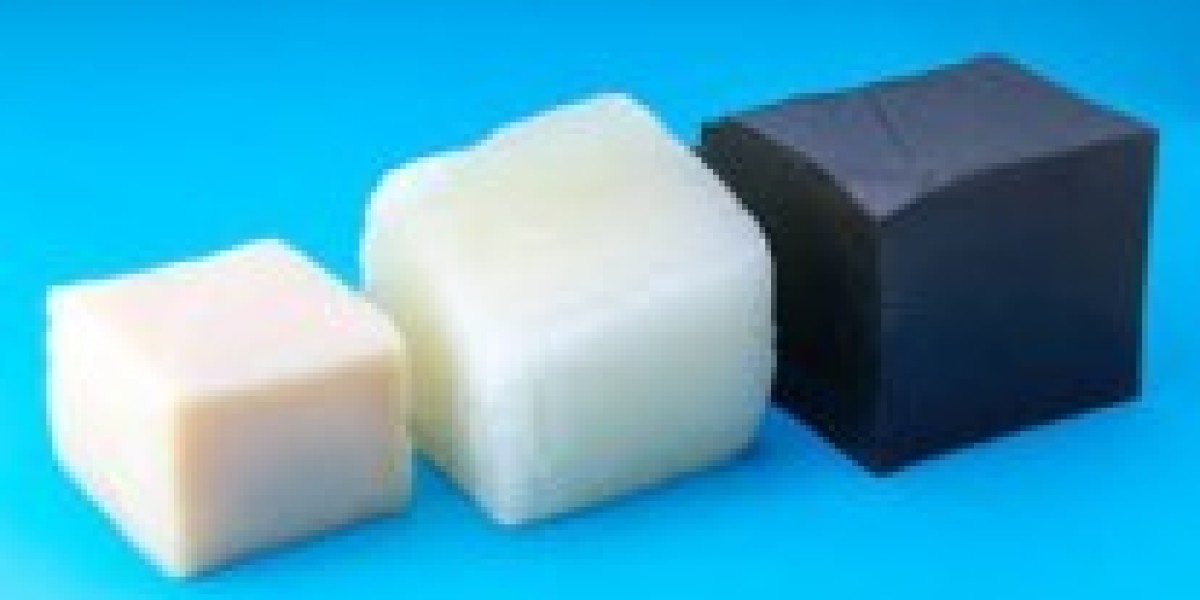
The global chemical processing sector in early 2026 is operating under a mandate for extreme resource resilience and carbon-footprint transparency. As geopolitical volatility continues to impact the pricing and availability of traditional petroleum-based feedstocks, the strategic diversification of raw material sourcing has become a critical operational requirement. The synthetic rubber industry, traditionally reliant on benzene and butadiene derived from crude oil refining, is increasingly exposed to these upstream market shocks. In response, major polymer manufacturers are accelerating their investment in alternative feedstocks, aiming to decouple their production cycles from the volatile energy markets. This shift is not merely an environmental consideration but a fundamental strategy to ensure long-term manufacturing stability and cost competitiveness in a highly interconnected global economy.
According to a recent report by Market Research Future, the Emulsion Polymerized Styrene Butadiene Rubber Market is at the forefront of this raw material transition. We are seeing a significant move toward the adoption of bio-based monomers, particularly bio-butadiene derived from renewable agricultural feedstocks or waste streams. Additionally, innovations in the mass-balance approach are allowing manufacturers to integrate chemically recycled monomers into their existing polymerization lines, effectively reducing the carbon intensity of the final E-SBR product. This transition is being heavily supported by major automotive OEMs and consumer brands, who are eager to secure low-carbon materials to meet their publicly stated 2030 sustainability targets and secure their supply chain future.
This transition toward diversified and eco-friendly solutions is a primary factor influencing the long-term Emulsion Polymerized Styrene Butadiene Rubber Market Forecast, with sustainable grades projected to outpace the growth of traditional fossil-based polymers. The market is anticipated to reach new valuation peaks by 2035 as regulatory quotas for recycled and bio-based content in tires and technical goods take full effect across major regions. For global polymer producers, the challenge lies in scaling the production of these alternative monomers while maintaining high chemical purity and consistent mechanical performance. By 2035, the successful integration of these diversified resources will be a defining characteristic of industrial resilience, providing the high-efficacy and ecologically optimized materials required to support a more technologically advanced and food-secure global domestic network.


![Mobile Legends: Bang Bang — обновление Next [трейлер]](https://too700.space/upload/photos/2025/10/wB5UYbwzTzbMpnpBYyVu_29_c2e9875aa42e8d9af242c018289b3020_image.png)