Competitive PvP events in Old School RuneScape push mechanical skill, patience, and survival instinct to the limit. Among them, Deadman Mode tournaments stand out as some of the most intense battles in the game's history. One recent final showcased how positioning, resource management, and psychological patience can matter just as much as raw combat power.
The player entered the tournament aiming for a back-to-back championship victory after winning the previous $15,000 Deadman Mode Armageddon final. Instead of rushing into combat, the strategy focused on survival first and aggression later—a classic but highly effective approach in large-scale PvP chaos.
The Gear Philosophy: Survival Over Flashiness with RS gold
The core idea behind the setup was simple: maximize longevity in the bloodbath arena.
The player prepared equipment that allowed flexible combat responses rather than committing to a single offensive style.
Key decisions included:
Using a previously won tournament cape for an extra healing brew.
Carrying conflict-based gauntlets to help catch freezing opponents even in weaker gear.
Maintaining high magic accuracy without wearing full robes early in the match.
Intentionally leaving some armor slots empty, planning to pick up dropped gear from the battlefield.
This “loot-from-the-ground” philosophy worked well in Deadman tournaments because players frequently die and drop high-value equipment during the final zone pressure.
The combat stats were also carefully balanced:
99 Magic for spell reliability
76 Defense for survivability
Around 220 magic attack bonuses
Flexible hybrid combat capability
Instead of overcommitting to pre-battle inventory optimization, the plan relied on battlefield opportunism.
The Corner Strategy: Outlast Before You Fight
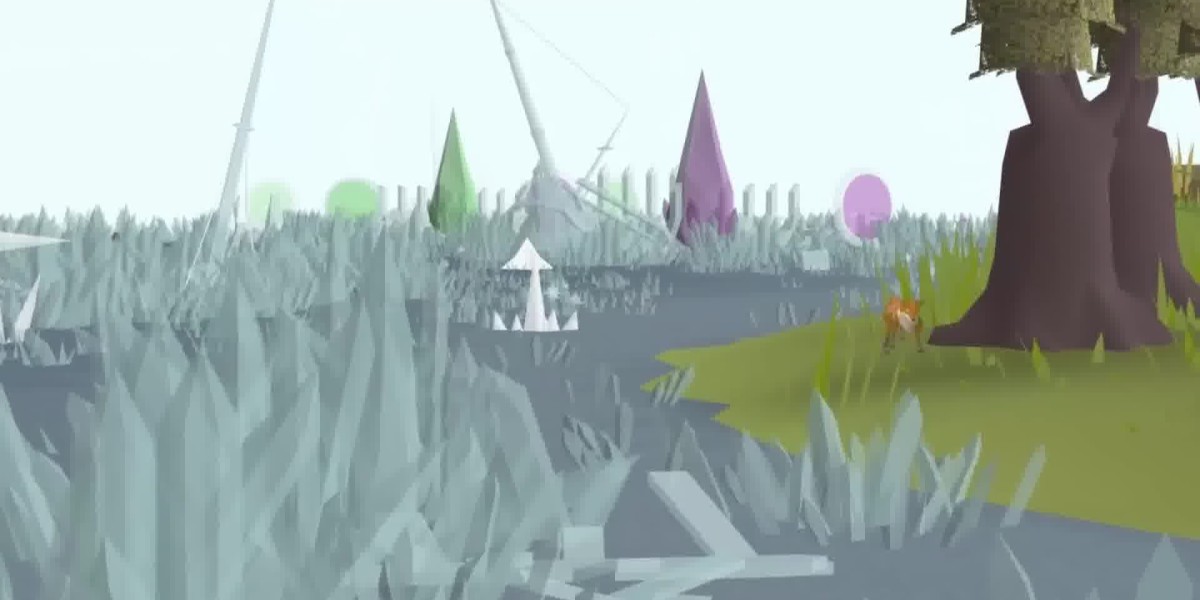
Once the match started, the arena filled with nearly two thousand players. The battlefield quickly became a crowded kill zone where visibility itself became a problem.
The player's primary objective was simple:
Stay near the edge of the safe zone.
Avoid line-of-sight exposure.
Let other players eliminate each other.
This is a classic survival strategy in large PvP brackets.
The fog mechanic acted as a natural battlefield pressure system. As the zone shrank, players outside the boundary began taking heavy damage, forcing movement into increasingly crowded areas.
Interestingly, many opponents failed to track zone boundaries properly and died while standing just outside safety—highlighting how awareness is often more important than mechanical skill.
Resource Management: The Real Endgame Skill
The fight was not won by burst damage but by inventory discipline.
Healing resources became the deciding factor.
The player repeatedly cycled:
Combat healing spells when possible
Food consumption (notably large quantities of sweet-based healing items)
Brew potions when HP dropped too low
One key insight was delaying overload potion usage. Overload effects increased combat potential but also drained defensive stats. The player reserved it for moments when brew healing would compensate for the defense loss.
Another important decision was maintaining prayer uptime.
Using defensive prayer mechanics reduced incoming damage significantly, especially when opponents failed to attack on-prayer targets.
Why Patience Beat Aggression
Large-scale Deadman finals often punish reckless movement.
Several observations emerged during the match:
Clumped players were extremely vulnerable to barrage spells.
Running into the crowd usually resulted in instant elimination.
Many players outside the safe zone died simply due to fog pressure.
Rendering limits made target selection difficult in massive player clusters.
Instead of chasing kills, the strategy focused on:
Finding gaps in player formations.
Attacking isolated or low-defense targets.
Using barrage spells only when healing opportunities appeared.
The player even avoided risky looting attempts when items were located outside the safe zone.
The Combat Climax: The Bloodbath Zone
When the final zone formed, the match transformed into pure survival combat.
At this stage:
Over 700 players had already been eliminated.
Projectile spam filled the screen.
Movement became more important than offense.
The player tried to:
Maintain high HP through potion cycling.
Use barrage spells for self-healing when opponents were clustered.
Avoid being pulled forward into enemy lines.
However, inventory pressure and stat drains eventually limited offensive casting.
Final Result: Two Strong Tournament Finishes
The performance was impressive:
Top 7 finish in one bracket.
Top 18 finish in another bracket.
Consistent survival deep into late tournament stages.
While victory was not achieved, the strategy demonstrated how Deadman tournaments reward endurance, awareness, and resource timing more than pure aggression.
The experience also reinforced an important lesson: sometimes the best attack in massive PvP battles is simply not dying.
Key Takeaways for Deadman Mode Players
1. Prioritize survival early.
Let other players reduce the population before engaging.
2. Control zone positioning.
The fog is often more dangerous than enemy players.
3. Save burst resources for late stages.
Barrage and offensive spells are strongest when opponents are clumped.
4. Loot intelligently.
Risking outside-zone items is usually not worth it.
5. Maintain healing cycles.
Potion timing can decide tournament outcomes.
Conclusion
Deadman Mode finals in OSRS gold are less about mechanical perfection and more about survival intelligence. The match described here showcased how patience, zone awareness, and resource management can carry a player deep into one of the most chaotic PvP environments in gaming.
Even without taking the championship, finishing multiple brackets inside the top 20 is a remarkable achievement in such an extreme competitive setting.