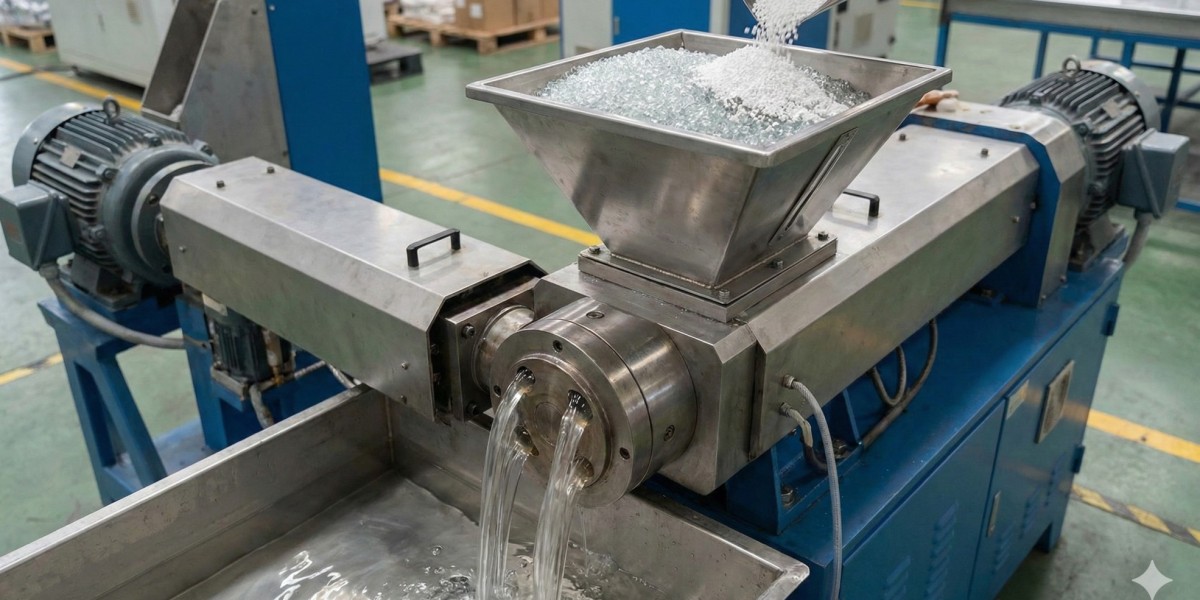
The global industrial landscape in 2026 is increasingly defined by the need for materials that offer a superior balance between mechanical strength and environmental responsibility. Polyethylene Terephthalate (PET) has traditionally been known for its dominance in the bottling industry, but the process of compounding is rapidly expanding its utility into far more demanding applications. By integrating reinforcements like glass fibers and high-performance additives during the extrusion process, manufacturers are creating PET compounds that rival engineering resins in thermal stability and structural rigidity. This evolution is particularly evident in the automotive and electrical sectors, where lightweighting and flame retardancy are non-negotiable requirements for next-generation product designs.
In the automotive sector, the push for vehicle electrification has sparked a renewed interest in PET-based compounds for battery housings and electrical connectors. These materials must provide excellent dielectric properties while withstanding the intense heat generated by high-voltage systems. Compounding allows for the precise "tuning" of the resin to meet these specific safety standards without the prohibitive costs associated with specialty polyamides or polycarbonates. Furthermore, as manufacturers move toward mono-material designs to simplify end-of-life recycling, compounded PET offers a versatile platform that can be adapted for both structural and aesthetic components within the vehicle cabin.
According to a recent report by Market Research Future, the Polyethylene Terephthalate Compounding Market is seeing a significant influx of capital as firms seek to optimize the processability of recycled feedstocks. This investment is crucial for closing the loop on plastic waste, as high-quality compounding can restore the molecular weight and impact strength of post-consumer PET. To gauge the potential for these resins in flexible applications, many industry stakeholders are closely monitoring the Polyethylene Terephthalate Film Market Trends to see how compounded materials are performing in high-barrier packaging and electronic substrates. The ability to produce thin-gauge films with enhanced UV and chemical resistance is a direct result of advancements in additive dispersion during the compounding stage.
As we look toward 2030, the market is expected to be dominated by "smart compounds"—resins that feature integrated functionalities such as antimicrobial properties or enhanced electrical conductivity. These advancements are being driven by the integration of AI-driven formulation tools that allow compounders to simulate material performance under various stress conditions before a single pellet is produced. By combining this digital precision with a commitment to sustainable sourcing, the PET compounding industry is not just responding to current market needs but is actively shaping the future of global material science.